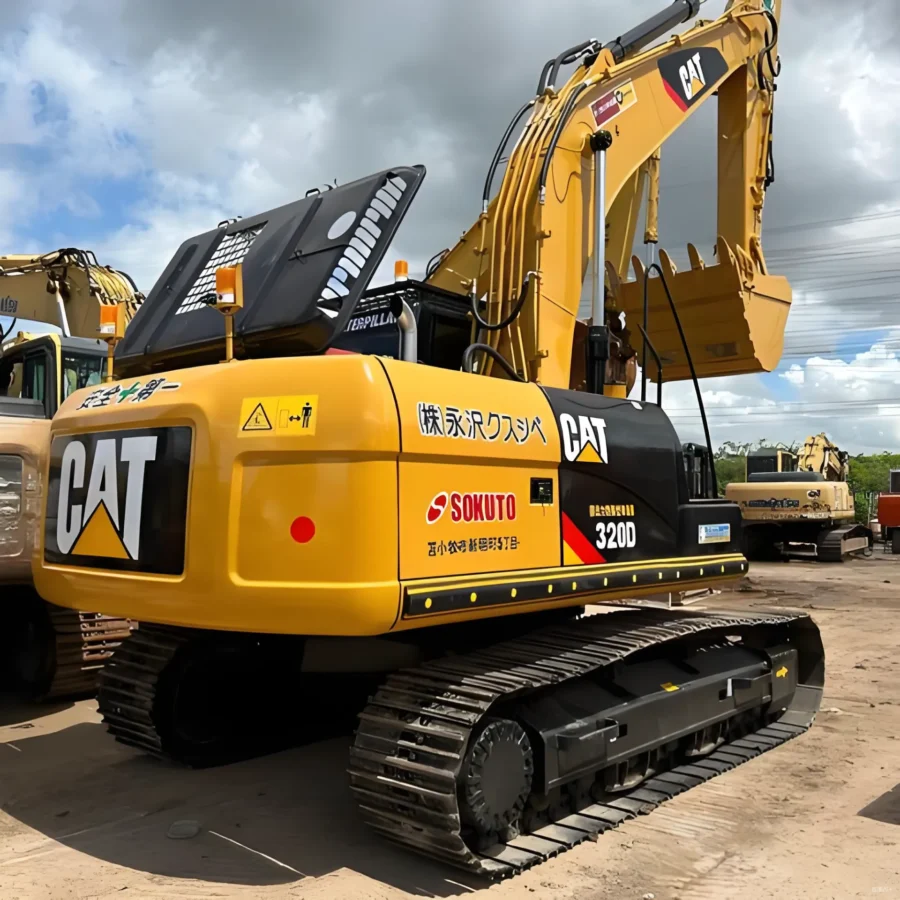
Buying used construction equipment can be a smart investment for contractors, dealers, and project developers. Compared with brand-new machines, used equipment is significantly more affordable while still offering reliable performance if properly inspected.
However, purchasing second-hand machinery without careful inspection can lead to unexpected repair costs and operational problems. Before buying used construction equipment such as excavators, loaders, dump trucks, or bulldozers, it is important to check several key factors.
- Machine Operating Hours
One of the first things to check when buying used construction equipment is the operating hours.
Operating hours function similarly to mileage in a car. Machines with fewer hours usually experience less wear and tear. In general:
Under 3,000 hours – relatively lightly used
3,000–8,000 hours – moderate usage
Over 10,000 hours – heavy usage, may require major maintenance
However, hours alone do not determine the condition of the equipment. A well-maintained machine with higher hours may still perform better than a poorly maintained machine with lower hours.
- Engine Condition
The engine is the core component of any construction machine. Before purchasing used equipment, you should carefully inspect the engine.
Things to check include:
Unusual engine noise
Excessive smoke from the exhaust
Oil leaks around the engine
Difficulty starting the machine
Irregular vibrations
Blue or black smoke can indicate engine problems, which may lead to expensive repairs later.
- Hydraulic System Performance
Most construction machinery relies heavily on hydraulic systems. A weak or damaged hydraulic system can significantly affect machine performance.
Inspect the following:
Hydraulic pump performance
Hydraulic hoses and cylinders
Oil leakage
Smoothness of arm or bucket movement
Slow movement or unstable operation may indicate hydraulic system issues.
- Structural Condition
The structural integrity of the equipment is another critical factor. Look carefully for signs of damage or excessive wear.
Check the following parts:
Frame and chassis
Boom and arm
Welding marks
Cracks in structural components
If the machine has undergone heavy repairs or structural modifications, it may not be suitable for long-term use.
- Undercarriage Wear
For tracked machines such as excavators and bulldozers, the undercarriage is one of the most expensive components to replace.
Inspect:
Track chains
Rollers
Sprockets
Track shoes
Severely worn undercarriage components can significantly increase maintenance costs.
- Maintenance and Service Records
Reliable maintenance records can provide valuable insight into how well the equipment has been cared for.
Ask the seller for:
Service history
Repair records
Replacement parts documentation
Previous ownership details
Machines with complete maintenance records are generally more trustworthy.
- Signs of Heavy Usage or Abuse
Construction machines used in extreme environments such as mining sites often experience more wear than machines used in light construction work.
Look for signs such as:
Excessive rust
Bent components
Oil contamination
Overheated engine parts
These indicators may suggest the machine has been used under harsh conditions.
- Verify the Machine Identification
Before purchasing used construction machinery, always verify the machine’s identification details.
Important information includes:
Serial number
Manufacturer details
Production year
Model specifications
This helps confirm the authenticity of the equipment and avoids potential legal or registration issues.
- Conduct a Test Operation
A test operation is one of the best ways to evaluate the real condition of the machine.
During the test, check:
Engine stability
Hydraulic responsiveness
Steering and braking performance
Overall machine noise and vibration
A smooth and stable test run usually indicates the equipment is in good working condition.
- Work with a Professional Inspection Service
If you are importing used construction equipment from another country, it is highly recommended to work with a professional inspection service.
Professional inspectors can provide:
Detailed machine inspection reports
Video inspections
Performance testing
Export documentation verification
This helps reduce risks and ensures that the equipment meets your expectations before shipment.
Buying used construction equipment can be a cost-effective solution for contractors and distributors, but it requires careful evaluation. By checking the machine hours, engine condition, hydraulic system, structural integrity, and maintenance history, buyers can significantly reduce the risks associated with purchasing second-hand machinery.
Working with trusted suppliers and professional inspection services is the best way to ensure that you receive reliable and high-quality equipment for your projects.