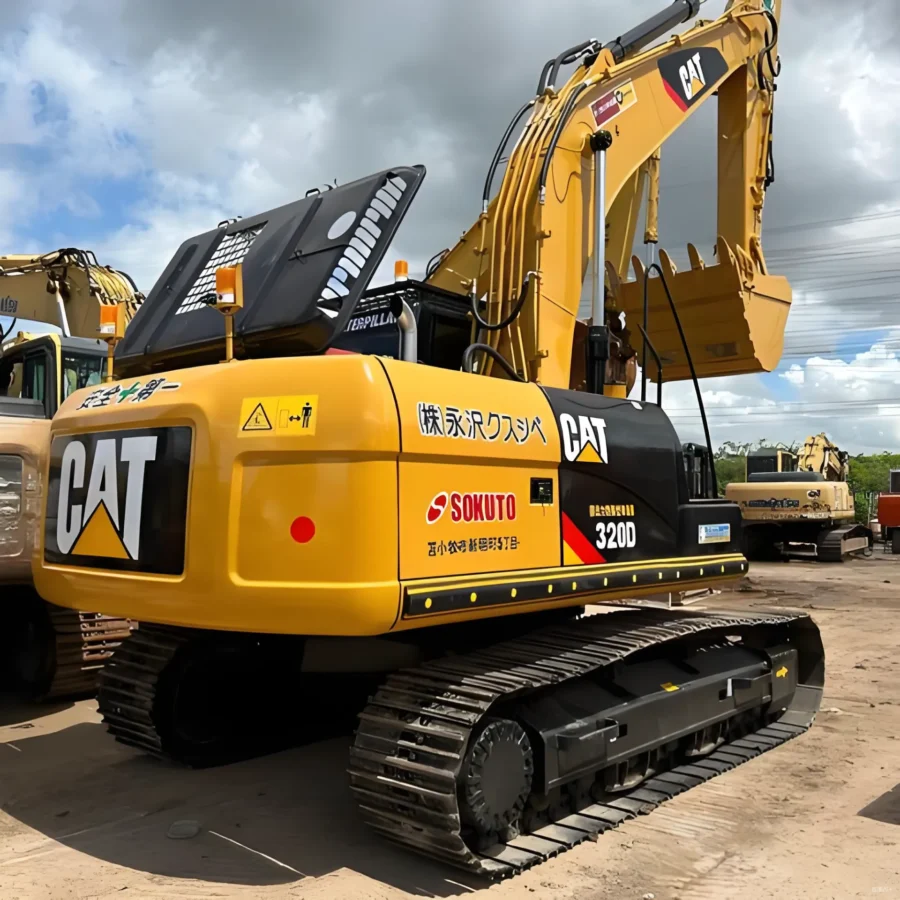
China is one of the world’s leading exporters of construction machinery. Every year, thousands of contractors, equipment dealers, and project developers import heavy equipment from China for infrastructure, mining, and industrial projects.
If you are planning to import construction machinery, understanding the process can help reduce risks and ensure a smooth transaction.
Step 1: Choose the Right Machinery
The first step is identifying the equipment that suits your project needs.
Commonly imported machinery includes:
Excavators
Wheel loaders
Bulldozers
Dump trucks
Motor graders
Road rollers
Buyers should consider machine size, engine power, and working conditions before selecting a model.
Step 2: Find a Reliable Supplier
Choosing a reliable supplier is essential when importing machinery from overseas.
Buyers should look for suppliers that offer:
Verified equipment sources
Transparent pricing
Inspection reports
Export experience
International shipping services
Working with professional exporters reduces the risk of receiving equipment that does not meet expectations.
Step 3: Inspect the Equipment
Before finalizing the purchase, the machinery should be inspected.
Inspection usually includes:
Engine condition
Hydraulic system performance
Structural integrity
Maintenance history
Machine operating hours
Many buyers also request video inspections or third-party inspection services.
Step 4: Sign the Purchase Contract
After confirming the equipment condition and price, both parties sign a purchase contract.
The contract usually includes:
Machine specifications
Payment terms
Delivery schedule
Warranty or service agreement
Step 5: Arrange International Shipping
Construction machinery can be shipped internationally using several methods.
Common options include:
Container shipping
Suitable for smaller machines such as mini excavators.
Ro-Ro shipping
Often used for large machines and vehicles that can drive directly onto the vessel.
Step 6: Customs Clearance and Delivery
After the machinery arrives at the destination port, buyers must complete customs clearance procedures.
Required documents usually include:
Commercial Invoice
Packing List
Bill of Lading
Export Declaration
Once customs clearance is completed, the equipment can be transported to the final project site.
Importing construction machinery from China offers many advantages, including competitive pricing and a wide range of equipment options.
By working with experienced suppliers and following the proper import procedures, international buyers can successfully source reliable machinery for their projects.
Whether they are manufacturers or traders, they can provide quality-assured products at very favorable prices. You don’t need to go there in person or hire a third-party company in China to inspect the goods.The platform can solve all your problems. https://www.sco-star.com/